Blog

  • One-Day Trip to Blue Mountain from Toronto: More Fun When You Travel Together

    Some day trips start as a simple idea. A message in the group chat. A free weekend. Two or three friends who want to get out of the city for a bit. A one-day trip to Blue Mountain from Toronto often begins exactly like that, casual, spontaneous, and full of promise.

    Blue Mountain isn’t far. You don’t need days of planning or heavy packing. Just a clear morning, a good playlist, and the excitement of leaving the city behind. But there’s one thing many small groups quickly realise: the trip feels even better when shared with more people heading to the same place. Because some destinations aren’t just about where you go. They’re about who you experience it with.

    The Drive Out of Toronto Sets the Tone

    Most Blue Mountain day trips start early, and that’s part of the charm. Toronto feels quieter in the morning. Streets are calmer. Coffee tastes better when you’re heading somewhere scenic. As the city fades behind you, the drive slowly changes pace. Buildings give way to open roads. Green stretches start appearing more often. The air feels different, lighter somehow.  This drive isn’t long enough to feel tiring, but it’s long enough to help you switch off from everyday routines. 

    When you’re travelling with just two or three friends, the drive is comfortable. But you may notice moments of quiet where extra energy could lift the mood. More voices. More stories. More shared excitement about what’s ahead. That’s when the idea of travelling with a larger group starts to make sense.

    Why Blue Mountain Works So Well for a Day Trip

    Blue Mountain has a way of offering something for everyone, even on a short visit. Whether you’re there for the views, the village, outdoor activities, or just a change of scenery, the day fills itself naturally. Once you arrive, Blue Mountain feels lively but not overwhelming. The village buzzes with people walking around, grabbing coffee, exploring shops, and planning their next stop. The mountains sit quietly in the background, reminding you why you came.

    You can spend time walking through Blue Mountain Village, take photos, explore nearby trails, or just sit and enjoy the atmosphere. The best part is you don’t need a strict plan. The day unfolds easily. But Blue Mountain really shines when experiences are shared. Laughing over missed turns. Comparing photos. Deciding together what to do next. The more people involved, the richer the memories become.

    When Your Group Feels a Little Too Small

    Travelling with a close group of friends is great, but sometimes, it feels like something is missing. Maybe one friend couldn’t make it. Maybe everyone’s energy levels are different. Or maybe you just want more people to share the experience with.

    This happens more often than people admit. A small group can feel limited, especially in lively destinations like Blue Mountain. You see other groups laughing together, trying activities, sharing food, and it makes you wish your circle was a little bigger for the day.

    It’s not about replacing your friends. It’s about adding to the experience. About meeting people who are also excited to be there. People who bring new energy, new conversations, and new perspectives. That’s when the idea of travelling with others going to the same place starts to feel appealing.

    How Fella Ride Turns a Trip into a Shared Experience

    With Fella Ride, a simple day trip turns into a shared experience, where new faces, shared roads, and small moments make the journey just as memorable as the destination. Instead of travelling only with your small group, Fella Ride allows you to connect with others who are also heading from Toronto to Blue Mountain. Same destination. Same plan for the day. Different people who add something new to the experience.

    Sharing a ride means the journey starts feeling social before you even arrive. Conversations begin on the road. Playlists get shared. Stories are exchanged. By the time you reach Blue Mountain, you already feel part of a larger group.

    It’s not forced. It’s easy. You still travel with your friends, but you also meet people who are on the same wavelength, looking for a fun day out, fresh air, and good company. This shared travel often turns into shared moments throughout the day. Exploring together. Taking group photos. Trying activities you may not have done with a smaller group.

    Building a Community, Even for One Day

    One of the best parts of travelling with others going to the same place is the sense of community it creates. You may start the day as strangers, but shared experiences have a way of breaking barriers quickly. At Blue Mountain, this happens naturally. Someone suggests a trail. Someone else recommends a café. Plans form without effort. Laughter comes easier. The day feels fuller.

    Even if you only spend one day together, the experience sticks. It becomes more than just a trip, it becomes a memory connected to people, not just places. For many travellers, this is what makes the difference between a good day and a great one.

    Practical Benefits That Make Sense

    Beyond the social side, there are practical reasons why shared travel works well for a Blue Mountain day trip. Carpooling helps split travel costs, making the trip more affordable for everyone. Fewer cars on the road also mean less traffic and a smaller environmental impact. Parking becomes easier. Planning becomes simpler. For people who don’t want the stress of driving alone or coordinating multiple cars, shared rides remove unnecessary hassle. You focus less on logistics and more on enjoying the day.

    Making the Most of Your Time at Blue Mountain

    Once you arrive, the beauty of Blue Mountain is how flexible the day can be. Walk through the village. Grab lunch together. Explore scenic lookouts. Take photos. Sit and talk. Laugh without checking the time constantly.

    With a larger group, decisions become part of the fun. You try more things. You see more perspectives. The day feels active without being rushed. As the afternoon winds down, there’s usually a quiet moment when everyone realises how quickly the day passed. That’s often a good sign.

    The Drive Back Feels Different

    The return drive to Toronto usually feels calmer. Comfortable. Filled with tired smiles and relaxed conversations. Music plays softer. People reflect on the day. Photos are shared. The road feels familiar now, but the energy inside the car is different, in a good way. You return not just with pictures, but with stories connected to people you didn’t know that morning.

    Why This Trip Stays With You

    A one-day trip to Blue Mountain from Toronto works because it’s easy. But it becomes memorable when shared. Travelling with others going to the same place turns a simple day trip into a small community experience. It adds energy, comfort, and connection, without taking away your freedom.

    Choosing shared travel options like Fella Ride helps bring people together, even if just for a day. And sometimes, that’s all it takes to turn an ordinary plan into something you’ll talk about long after. Because the best trips aren’t just about where you go. They’re about who you share the road with along the way.

  • Downtown Toronto to Pearson Airport: Travel Options Compared

    Getting to the airport should feel simple. But for many people travelling from Toronto downtown to Toronto Pearson International Airport, it often feels more stressful than the flight itself. The distance isn’t very long. The route is familiar. Yet one thing keeps coming up again and again, high one-way cab fares. You check the app, see the price, refresh it once, and hope it drops. Sometimes it doesn’t. And suddenly, a short airport ride feels unnecessarily expensive.

    For students, solo travellers, frequent flyers, and even professionals travelling for work, this has become a common pain point. The question isn’t how to get to the airport. It’s which option actually makes sense.

    Understanding the Downtown to Pearson Route

    Downtown Toronto to Pearson Airport is a route thousands of people take every day. Early morning flights. Late-night arrivals. Weekend trips. Work travel. Family visits. Traffic can be unpredictable, especially during peak hours. Weather plays a role. So does timing. A trip that takes 30 minutes one day can take over an hour the next. That’s why choosing the right travel option matters. Most people want three things from this journey: reliability, comfort, and a reasonable cost. But finding all three at once isn’t always easy.

    Taxis and Ride-Hailing

    Cabs and ride-hailing services are often the first option people think of. They’re direct. They pick you up from your door. They drop you off right at the terminal. But convenience comes at a price. One-way cab fares from downtown Toronto to Pearson Airport can be high, especially during peak hours, bad weather, or early mornings. Surge pricing only adds to the frustration. What looks affordable one minute can jump significantly the next.

    For solo travellers, this can feel especially unfair. You’re paying the full cost alone, even though there are plenty of empty seats in cars travelling the same route. Over time, these costs add up, especially if you travel often. Cabs work well when you’re short on time, but they’re rarely the most cost-effective option.

    Public Transit is Affordable but Not Always Comfortable

    Public transit is the budget-friendly choice. Buses, subways, and connections can get you to Pearson at a much lower cost than a cab. But affordability comes with trade-offs.

    Luggage can be difficult to manage, especially during busy hours. Transfers add complexity. Delays can increase anxiety, particularly when you’re catching a flight. If you’re travelling early in the morning or late at night, options may be limited. For some travellers, public transit works fine. For others, especially those with heavy bags or tight schedules, it can feel exhausting before the trip even begins.

    Why One-Way Airport Travel Feels Expensive

    The biggest frustration for many travellers isn’t the lack of options, it’s the cost of one-way travel. You’re not splitting the fare. You’re not sharing fuel costs. You’re paying full price for a short, necessary trip. And because airport travel often happens at specific times, you don’t always have flexibility to wait for a cheaper option. For students, freelancers, and people who fly often, this becomes a recurring issue. The airport ride starts to feel like an unnecessary expense added to an already costly journey.

    How Fella Ride Helps Reduce Airport Travel Costs

    Here Fella Ride offers a practical alternative. Instead of paying a high one-way cab fare alone, Fella Ride allows travellers heading in the same direction to share a ride. The route from downtown Toronto to Pearson Airport is one of the most common travel paths in the city, which makes it ideal for shared travel.

    By carpooling, the cost is split. Fuel expenses are shared. Empty seats are used more efficiently. For solo travellers, this can make a noticeable difference. Fella Ride doesn’t change your destination or timing, it simply changes how much you pay and how the journey feels. You still get the comfort of a car ride, but without carrying the entire cost on your own.

    Comfort Without the Cab Price

    Shared rides also offer a more comfortable experience than crowded public transit. You don’t have to manage luggage through multiple transfers. You don’t have to rush through stations. Instead, you travel in a car, with space for bags, and a calmer pace. You might even see familiar faces if you travel often. Over time, that sense of routine helps reduce travel stress.

    For people who fly regularly, this balance of comfort and cost is important. It turns airport travel into something manageable instead of frustrating.

    Reliability Matters When Catching a Flight

    When it comes to airport travel, reliability is everything. Missing a flight isn’t an option. Shared rides through Fella Ride are planned and coordinated, which helps reduce uncertainty. You’re not waiting for last-minute surge pricing or scrambling for a ride. The journey feels more organised. Knowing you have a confirmed ride helps you focus on your trip instead of worrying about how you’ll get there.

    Choosing the Right Option for You

    Every travel option has its place. Cabs are convenient but expensive. Public transit is affordable but not always comfortable. UP Express is fast but may not suit everyone. For travellers who want to reduce one-way airport costs without sacrificing comfort, shared rides offer a smart middle ground. It’s not about replacing every option. It’s about choosing what works best for your situation.

    Why Shared Airport Travel Makes Sense

    Downtown Toronto to Pearson Airport is a short journey that doesn’t need to feel costly or stressful. When people share rides, costs drop, traffic reduces, and travel feels more human. Choosing options like Fella Ride helps make airport travel more affordable, more comfortable, and more efficient, especially for solo travellers paying one-way fares.

    In the end, getting to the airport shouldn’t be the hardest part of your trip. It should be the easiest. When the ride makes sense, the trip starts on the right note, calm, affordable, and worry-free.

  • Toronto to Ottawa Road Trip: Best Way to Travel Together

    There’s something special about a road trip that connects two cities. It’s not just about reaching the destination; it’s about what happens along the way. A road trip from Toronto to Ottawa is one of those journeys that feels easy to plan, yet rewarding in small, unexpected ways.

    The distance is manageable. The roads are smooth. And the changing scenery keeps the drive interesting. For people regularly travelling between Toronto and Ottawa, whether for work, studies, or frequent visits, this route often becomes more than just a commute. It becomes shared time. Time that helps people connect before they even reach their destination. This trip is about travelling together and letting the road take some of the pressure off.

    Starting the Journey from Toronto

    Most Toronto to Ottawa road trips begin early in the day. Not too early, just enough to avoid heavy traffic and enjoy a smoother drive. Toronto wakes up fast, but once you’re on the highway, the city noise fades quicker than expected.

    As you leave Toronto behind, the road opens up. Highways stretch wide. Cars settle into a steady rhythm. The mood inside the vehicle shifts from busy to calm. For people who regularly make this trip, this moment marks the real start of the journey.

    When you’re travelling with others who also move between these two cities often, the first few hours matter. Everyone comes with their own routine, energy level, and expectations. The road trip helps even things out. Conversations start naturally. The pace settles. The journey begins to feel shared instead of separate.

    What the Drive Feels Like

    The drive between Toronto and Ottawa is straightforward, but it never feels dull. Long stretches of highway are balanced by towns, greenery, and rest stops that give you a reason to pause.

    This is where road trip moments happen. Someone suggested stopping for coffee. Someone else points out a familiar landmark. Music choices rotate. Stories are exchanged. Even quiet moments feel comfortable because everyone is heading in the same direction.

    For people regularly travelling this route, the drive creates a sense of familiarity. You’re not focused on reaching attractions or checking schedules. You’re simply moving together, settling into a shared rhythm. That’s what makes the rest of the trip feel easier. The road doesn’t demand constant attention, which leaves space for conversation and connection. That’s why this journey works so well.

    Why Ottawa Feels Like a Natural Arrival

    Arriving in Ottawa feels different from arriving in a fast-paced city. The pace is calmer. The streets are wider. There’s a sense of order that feels refreshing after a few hours on the road. Landmarks like Parliament Hill, the Rideau Canal, and the downtown core signal that you’ve arrived somewhere important. But Ottawa doesn’t feel overwhelming. It feels approachable.

    For people regularly travelling from Toronto to Ottawa, the city feels easy to navigate and easy to settle into. It’s walkable. It’s organised. And it’s comfortable to experience together. The road trip sets the tone, and the city continues it. You arrive not exhausted, but ready to get on with your plans.

    The Challenge of Travelling Together Regularly

    Travelling together sounds simple, but people regularly travelling between Toronto and Ottawa often face small challenges. Everyone may start from a different location. Some are used to the route. Others are less familiar. Some like detailed planning. Others prefer flexibility. Coordinating transport can quickly become stressful. Different departure times. Different costs. Different comfort levels. When travel becomes complicated, it adds unnecessary pressure to what should be a routine journey.

    This is especially true for people who meet in Toronto before heading to Ottawa. The journey itself becomes the first test of coordination. That’s why the way you travel matters just as much as where you’re going.

    How Fella Ride Makes Regular Travel Simpler

    This is where Fella Ride comes in naturally. For people regularly travelling between Ottawa and Toronto, Fella Ride makes it easier for everyone to start the journey on the same route. Instead of managing multiple cars, different tickets, or complicated plans, a shared ride keeps things simple and organised.

    Travelling together in one vehicle changes the experience. Everyone starts at the same time. Everyone arrives together. There’s no waiting around or worrying about delays. It also helps people who aren’t fully familiar with Ontario roads. Being with others who know the route makes the trip feel safer and less stressful.

    Fella Ride also helps manage costs. Sharing fuel and travel expenses makes frequent trips more affordable. With fewer cars on the road, it’s also a more sustainable way to travel. Most importantly, it turns a routine drive into a shared experience instead of a logistical task.

    Road Trip Moments That Build Connection

    Some of the best moments on a Toronto to Ottawa road trip happen naturally. A shared laugh over a missed exit. A group decision to stop for snacks. A conversation that starts casually and ends with everyone feeling more comfortable.

    For people who regularly travel this route, these moments matter. They build familiarity. They create ease. By the time you reach Ottawa, the journey feels smoother, not just because of the road, but because of the shared experience. The drive becomes part of the routine, not just the distance between two cities.

    Why This Road Trip Works So Well

    A Toronto to Ottawa road trip works because it’s practical. The distance is right. The roads are reliable. The route is familiar. For people regularly travelling between these two cities, travelling together makes everything easier. It reduces stress. It builds connection. And it turns travel time into useful, shared time.

    Choosing shared travel options like Fella Ride adds comfort and simplicity to the journey. It helps people start together, travel together, and arrive together. In the end, the best way to travel isn’t always the fastest. It’s the one that makes the journey feel easier every time. One road. Two cities. One shared way to travel better.

  • Toronto King Street to University Avenue Commute Guide: A New Student’s Everyday Journey

    Moving to a new city is exciting. It’s also confusing in small, unexpected ways. Streets feel unfamiliar. Directions don’t stick right away. And even a short daily commute can feel bigger than it actually is. For a new student in Toronto, the commute from King Street to University Avenue often becomes one of the first routines to learn, and one of the most important.

    This route sits right in the heart of downtown. It connects classrooms, libraries, hospitals, offices, cafés, and busy sidewalks full of people who already seem to know exactly where they’re going. At first, it can feel overwhelming. But once you understand it, this commute becomes simple, reliable, and surprisingly comforting.

    Getting to Know King Street as a Starting Point

    King Street has energy. From early morning, it’s already awake. Streetcars move steadily. Coffee shops open their doors. Office workers and students mix on the sidewalks, all heading somewhere with purpose.

    For a new student, King Street often becomes the starting line of the day. You might be living nearby, staying in student housing, or renting your first place in the city. At first, everything moves fast. The streetcars feel crowded. The signals seem confusing. You might miss your stop once or twice, and that’s okay. Over time, patterns start to appear. You learn where to stand for the streetcar. You notice which cafés are quicker in the morning. You begin to recognize familiar faces, people who take the same route every day. King Street slowly stops feeling chaotic and starts feeling familiar.

    The Simple Ways to Commute from King Street to University Avenue

    The distance between King Street and University Avenue isn’t very long, but how you travel can change your entire experience. Many students choose the streetcar along King Street and then walk north toward University Avenue. Others prefer walking part of the way, especially on clear days. Some combine transit with short rides, depending on time and comfort.

    Walking is often underestimated. It helps you learn the city faster. You notice landmarks. You learn shortcuts. You stop checking maps as often. Streetcars, on the other hand, are reliable and save energy, especially during long academic days. There’s no single “right” way to commute here. The best option is the one that fits your schedule, your comfort, and your confidence level at that moment.

    Where the Day Really Begins

    University Avenue feels different from King Street. Wider roads. More space. A calmer rhythm despite the constant movement. This area is home to major institutions, hospitals, and universities. Students walk with backpacks. Professionals move with purpose. The sidewalks feel organized, almost structured. For a new student, reaching University Avenue often feels like arriving at the center of things.

    At first, you might walk slower here. You’re observing. Learning where buildings are. Figuring out entrances. Over time, you start walking with more confidence. You stop hesitating at crossings. You know which side of the street you need to be on. This part of the commute marks a shift, from learning the city to feeling like you belong in it.

    Challenges New Students Don’t Always Talk About

    What maps don’t show is how lonely a commute can feel when you’re new. You’re surrounded by people, yet you don’t know anyone. Everyone else seems comfortable. You’re still figuring things out. You may worry about taking the wrong route. Or getting lost. Or just feeling invisible in the crowd. Even short daily commutes can feel tiring when you don’t yet feel connected to the city or the people around you.

    This is especially true in the first few weeks. The streets are busy, but the experience can feel isolating. You miss familiar faces. You wish you had someone to say, “Yes, this is the right way,” or “I take this route too.” These feelings are normal. And they fade faster when the commute becomes more human.

    How Fella Ride Helps New Students Feel More at Home

    This is where Fella Ride makes a difference, especially for students new to the city. Using a shared ride helps turn an unfamiliar commute into something more comfortable. Instead of navigating the city alone every day, you start seeing familiar faces. People who know the streets. People who understand the timing, the traffic, and the little details that maps don’t explain.

    For a new student, this matters. It builds confidence. You learn faster. You feel safer. The city starts to make sense because you’re not figuring it out alone. Fella Ride also makes daily travel more affordable. Students often work with tight budgets, and shared rides help reduce transportation costs. It’s practical, simple, and easy to use. More importantly, it adds a human layer to the commute. A quick conversation. A familiar greeting. A shared route. Over time, those small moments help a new student feel like part of the city rather than just passing through it.

    Small Commute Moments That Build Confidence

    As days turn into weeks, the commute changes. You walk faster. You stop checking your phone for directions. You know when to leave to avoid crowds. You recognize buildings instead of street names. These small wins add up. The commute stops being stressful and starts feeling routine. Even enjoyable. You might have a favorite spot on King Street to grab coffee. A preferred crossing on University Avenue. A mental checklist that guides you through the day without effort. This is how cities become home, not all at once, but through repeated, ordinary journeys.

    Making the Commute Work for You

    The King Street to University Avenue commute is more than just a way to get from one place to another. For a new student, it’s part of settling in. Learning the city. Building confidence. Take your time. Try different routes. Walk when you can. Use transit when you need to. And don’t hesitate to choose options that make the journey easier and more social. Toronto is a big city, but it doesn’t have to feel overwhelming. With the right commute, familiar faces, and a little daily rhythm, it starts to feel manageable, and eventually, comfortable. A good commute doesn’t just save time. It helps you feel like you belong.

  • One-Day Niagara Falls Tour from Toronto: An Easy Getaway That Feels Worth It

    There’s a certain freedom in trips that don’t need overthinking. No heavy suitcases. No long leave requests. Just a simple plan, start in Toronto, spend the day at Niagara Falls, and be back home by night. That’s what makes a one-day Niagara Falls tour so popular. It fits neatly into busy schedules and still delivers something memorable. You don’t feel rushed, and you don’t feel like you’ve compromised. It’s short, simple, and refreshing, perfect for anyone who wants a break without turning it into a big project.

    For first-time visitors and locals alike, Niagara offers something rare. It feels dramatic without being overwhelming. Familiar, yet impressive every single time.

    The Drive from Toronto Sets the Mood

    Most Niagara day trips start early, and that’s usually a good idea. The roads are quieter. The city feels calmer. Even the morning air feels lighter. Coffee in hand, music playing softly, you ease into the drive instead of rushing through it. As Toronto fades behind you, the scenery slowly changes. Tall buildings turn into open stretches of road. Greenery appears more often. The drive becomes part of the experience rather than just a way to get there.

    This is where the day really begins. A snack stop here. A quick stretch there. A song that suddenly feels perfect for the moment. These small details often become the most remembered parts of the trip. Even if you’re travelling alone, the drive doesn’t feel empty. It gives you time to think, relax, and disconnect from everyday noise. The road has its own calm rhythm, and it gently pulls you into vacation mode, without asking for much effort.

    Seeing Niagara Falls for the First Time

    Niagara Falls makes its presence known before you see it. The sound of rushing water grows louder as you get closer, building anticipation without trying. Then suddenly, it’s right in front of you. Massive. Powerful. Constant. Standing near the edge, you feel mist on your face and hear the deep roar that never stops. The Horseshoe Falls draw attention with their curved shape and sheer force, while the American Falls stretch wide and steady. Both are impressive in different ways.

    People often stop longer than they expect to here. Photos are taken, but phones are soon lowered. Watching the water crash endlessly has a calming effect. It slows your thoughts. It brings your focus back to the present. This is the kind of place that reminds you how big the world is, and how refreshing it can be to simply stand still and watch.

    What to Do Without Rushing the Day

    Since this is a one-day trip, balance is important. You don’t need to see everything. You just need to choose experiences that add meaning without pressure. Getting closer to the falls is always worth it. A boat ride brings you near enough to feel the water’s power firsthand. The sound is louder. The mist is heavier. It’s exciting and grounding at the same time. Journey Behind the Falls offers another perspective, showing just how strong and constant the flow really is.

    Lunch becomes a welcome pause. Sitting down near the falls with a warm meal and a good view gives the day a comfortable pace. You’re not checking the clock. You’re just enjoying where you are. Later, a short drive takes you to Niagara-on-the-Lake, and the shift in energy is immediate. Everything feels slower here. The streets are quieter. The homes look classic and well cared for. Flowers line the sidewalks, and people walk without hurry.

    This town isn’t about attractions, it’s about atmosphere. You wander into small shops. You stop for coffee just because it smells good. You sit on a bench and do nothing for a while. After the power of the falls, this calm feels perfectly timed.

    How Fella Ride Makes Solo Travel Easier

    Travelling alone has many advantages. You choose your pace. You control your plans. But long drives and full-day trips can sometimes feel quiet in a way that’s not always comfortable. There are moments when you see something beautiful and want to share it. A view from the road. The first sight of the falls. A simple reaction like, “That’s incredible.” When no one is there, the moment can feel a little unfinished. This is where Fella Ride fits in naturally. It doesn’t change your destination or your schedule. It simply makes the journey feel easier.

    Sharing a ride from Toronto to Niagara means you’re not spending hours in silence. You can talk, listen to music together, or just enjoy having company without pressure. The drive feels more relaxed and less tiring. There are practical benefits too. Carpooling helps lower travel costs, makes better use of empty seats, and reduces the number of cars on the road. It’s affordable, efficient, and better for the environment. With Fella Ride, solo travel stays independent but feels less lonely. You keep your freedom while making the journey more comfortable and social.

    Evening Views and the Drive Back Home

    As the day slowly winds down, Niagara changes once more. The crowds thin out. The air cools. The pace feels gentler. Then the lights come on. The falls glow in soft colours, blue, purple, and white, creating a completely different mood from daytime. The sound of the water remains strong, but the atmosphere feels calmer. People speak quietly. Many simply stand and watch.

    This moment often becomes the highlight of the trip. Not loud. Not rushed. Just peaceful and memorable. The drive back to Toronto feels different from the morning drive. It’s quieter. More reflective. You’re tired, but in a good way. Snacks are half-eaten. Conversations slow down or fade into comfortable silence. City lights appear in the distance, and just like that, you’re back where you started. Same place. Slightly refreshed.

    A one-day Niagara Falls tour from Toronto works because it respects your time. It’s easy to plan, simple to enjoy, and rewarding without being exhausting. It reminds you that you don’t always need more days, sometimes, one good day is enough. One road. One waterfall. One experience that feels completely worth it.

  • Why a Carpooling App is No Longer Optional for GTA International Students

    If you’re an international student in the Greater Toronto Area (GTA), you already know the truth: getting around is hard, expensive, and exhausting. Between rising tuition and the cost of living in Ontario, transportation is often a “hidden” financial leak.

    Daily commute stress is a reality for thousands of students at institutions like Seneca, Humber, and York University. Long winters, unreliable last-mile connectivity, and feeling isolated in a new country add up fast. Here is why community-based carpooling is the smart solution for 2026.

    1. Is GTA Weather Student-Friendly?

    The Short Answer: No. Canadian winters are brutal, and waiting 15–20 minutes for a bus in freezing rain drains your energy before your first lecture.

    • The Reality: Classes, part-time jobs, and grocery runs become hurdles when transit doesn’t align with your schedule.
    • The Carpool Fix: You leave together and arrive together. Using a rideshare app means you don’t stand alone at a cold bus stop on Yonge Street or Hurontario.
    1. The Real Cost of “Cheap” Public Transit

    While a monthly pass seems affordable, the “hidden” costs of transit in the GTA can be staggering:

    • Expensive Emergency Rides: A “quick Uber” because of a delayed bus can cost $30+.
    • Lost Income: Missed buses often lead to missed shifts and lost wages.
    • The Financial Win: A carpooling app helps you split fuel, parking, and tolls, potentially saving you hundreds of dollars per semester.
    1. Solving the “Last-Mile” Problem

    Most campuses and workplaces in the GTA—from Mississauga to Scarborough—aren’t perfectly connected.

    • The Gap: Often, your commute involves a bus, a subway, and a 20-minute walk in the dark.
    • Safety: Late-night shifts often leave students with no safe return options when routes stop running.
    • The Solution: Community-based rideshare fills this “last mile” gap because your driver is someone who already travels your route.
    1. It’s About Belonging, Not Just the Ride

    Moving to Canada is a major life transition, and it can be lonely.

    • The Transit Loneliness: Many students spend hours commuting alone with earphones in, just surviving the day.
    • The Community Factor: Imagine riding with peers from your college. You share music, stories, and tips on finding housing or jobs. Carpooling builds micro-communities, which often matter more than the financial savings.
    1. Why Community Carpooling Apps Like FellaRide Work Better

    Random ride-sharing doesn’t solve the trust issue. Community-based platforms do. When you share rides with people from your neighborhood or cultural community, you feel:

    • Safer: Verified profiles within your university network.
    • Understood: Riding with people who share your journey and challenges.
    • At Home: Platforms like FellaRide are built around communities, not just destinations.

    Final Thought

    For international students in the GTA, carpooling is no longer a “nice-to-have”—it is a smart, human solution to everyday challenges.

    • Less Stress: No more chasing buses.
    • Lower Costs: Split the bills.
    • More Connection: Build a network while you drive.

    Sometimes, the best part of the journey isn’t the destination—it’s the people riding with you.

  • Carpooling A Tech-Nuanced Data-Backed Analysis of Its Pros and Cons

    Carpooling A Tech-Nuanced Data-Backed Analysis of Its Pros and Cons

    From being a spontaneous and informal form of savings, carpooling now represents a technology-enabled mobility service backed by data, automation, and digital systems of trust. Controlled largely by the sustainability paradigm, carpooling is often touted as an efficient high-impact measure. Just like any system, it comes with its advantages and disadvantages. Understanding these from a technical-data point of view becomes important for realistic uptake.

    Pros of Technology-Enabled Carpooling

    1. Cost Efficiency

    Data indicate that transport is one of the largest repeat expenditures for urban professionals and students. Carpooling decreases fuel and maintenance costs on a per-person basis by spreading the expenses over the riders. For the reason that it is a commission-free platform, the market space created by Fella Ride seldom incurs any fees for intermediaries, increasing further load savings.

    1. Traffic Congestion Alleviation

    Indeed, there exists a direct correlation: the higher the average vehicle occupancy, the greater the deconcentration. Carpooling optimizes road utilization without the addition of road infrastructure, which makes it perhaps one of the most deployment-capable traffic-busting measures.

    1. Pollution Solution

    Shared rides turn everyday commutes into a greener choice for everyone.  Data models suggest that a mere 10%–15% switch of solo drivers to carpoolers would lead to a significant improvement in urban air quality.

    1. Technology-Assisted Safety

    Modern platforms build a level of identity verification, GPS tracking, and rating system into their architecture. This provides safety measures far exceeding the informal markdowns, thereby helping to instill trust in the system.

    1. Making Good Use of Unused Capacity

    Most private vehicles are under-utilized in terms of passenger occupancy. In carpooling, this capacity is converted into productive mobility for improved transport efficiency.

    Disadvantages and Limitations

    1. Schedule Focus

    Carpooling entails aligning departure time and route. While algorithmically this takes some friction away, there lies much lesser actual flexibility compared to solitary driving.

    1. Density-Driven Adoption

    The efficiency of carpooling platforms increases with density clustering and vice versa; in a low-density or rural area, this matching may not be very effective.

    1. Psychological Barriers

    Certain persons are not comfortable sharing some intimate space or adjusting their daily routine. This barrier is essentially cultural in nature more than it is technical, but one that greatly affects adoption.

    1. Access to Technology

    Road-car-pooling platforms need a smartphone, the GPS function, and stable Internet connectivity—some groups may therefore be excluded from using these platforms.

    Mitigating the Disadvantages

    While most of these disadvantages accede to carpooling, they merely represent impediments against actual widespread adoption. As platforms mature, the quality of data improves, improving the speed of matching with a simultaneous increase in flexibility. Active UX optimization and awareness campaigns will further eliminate behavioral resistance.

    Strategic Perspective

    From a systems standpoint, the carpooling solution was never intended as a replacement for transport solutions altogether. Rather, carpooling feeds into public transport in taking down reliance on private transport. When viewed as an attraction in conjunction with smart-city mobility at a higher level, its benefits far overwhelm its limitations.

    Conclusion

    As powered by contemporary technology, carpooling comes into play as a high-fruited answer to urban mobility challenges. These limitations remain but are being reduced through data-based platforms, scalable algorithms, and trust systems. Thus, it creates a transportation model that is environmentally accountable and economical in viability at the human level, therefore carving out a niche slot in future urban commuting.

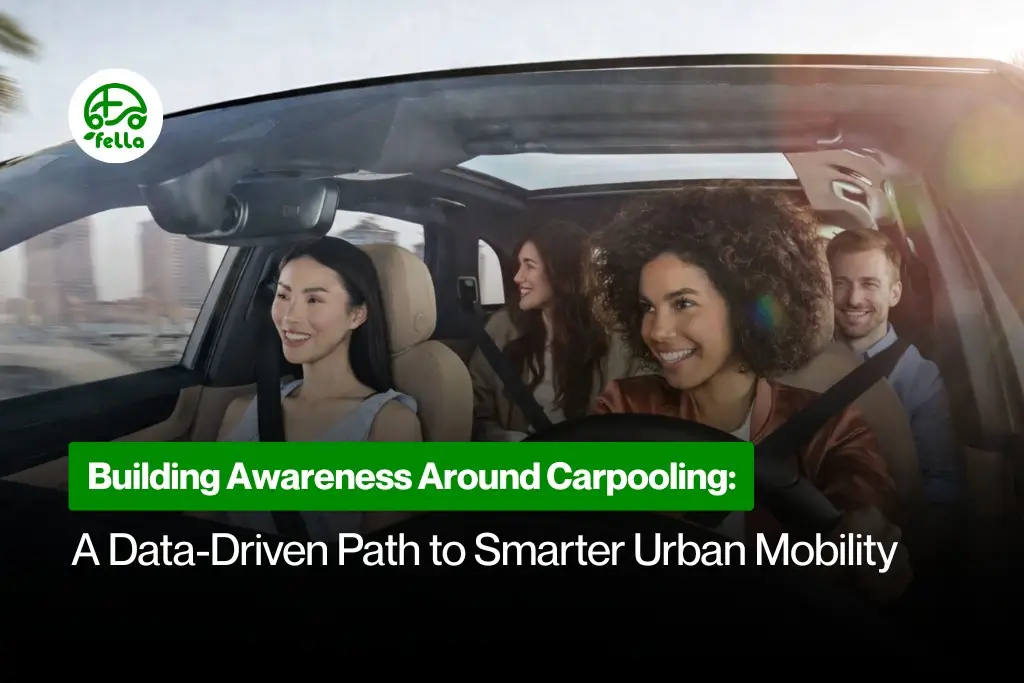
  • Building Awareness Around Carpooling A Data-Driven Path to Smarter Urban Mobility

    Building Awareness Around Carpooling A Data-Driven Path to Smarter Urban Mobility

    Most of the urban transport systems in the world are under increasing pressure. Heavy population growth, saturation by vehicles, and increased fuel costs have all turned the daily commute into a massive economic and environmental damper. Even with all mobility technology being in place, a significant percentage of urban trips are still being made with single-occupancy vehicles. Therein lies the importance of carpooling, with the digital platforms serving to enhance it-not only as a transport alternative but, more importantly, as changing behavior ever so needed by cities.

    Awareness creation about carpooling is not merely about getting people into a car together. It is about educating commuters regarding the inefficiencies in the travel patterns in vogue and offering technology-enabled carpooling as a viable, safe, and scientifically validated alternative. 

    Closing the Awareness Gap in Urban Commuting

    Surveys and studies conducted in transport systems around the world repeatedly indicate that more than 60% of the cars found in urban highways are carrying one single person. This is leading to excessive road capacity wastage, increased fuel consumption, and high emissions amongst others. Still, many commuters regard carpooling as inconvenient or less flexible due to safety issues-impressions primarily driven by obsolete or informal ride-sharing models. 

    Contemporary carpooling solutions are poised to step in and address those concerns using technology. Awareness campaigns should center on how carpooling today is fundamentally different from traditional ride-sharing.

    Technology as an Awareness Enabler

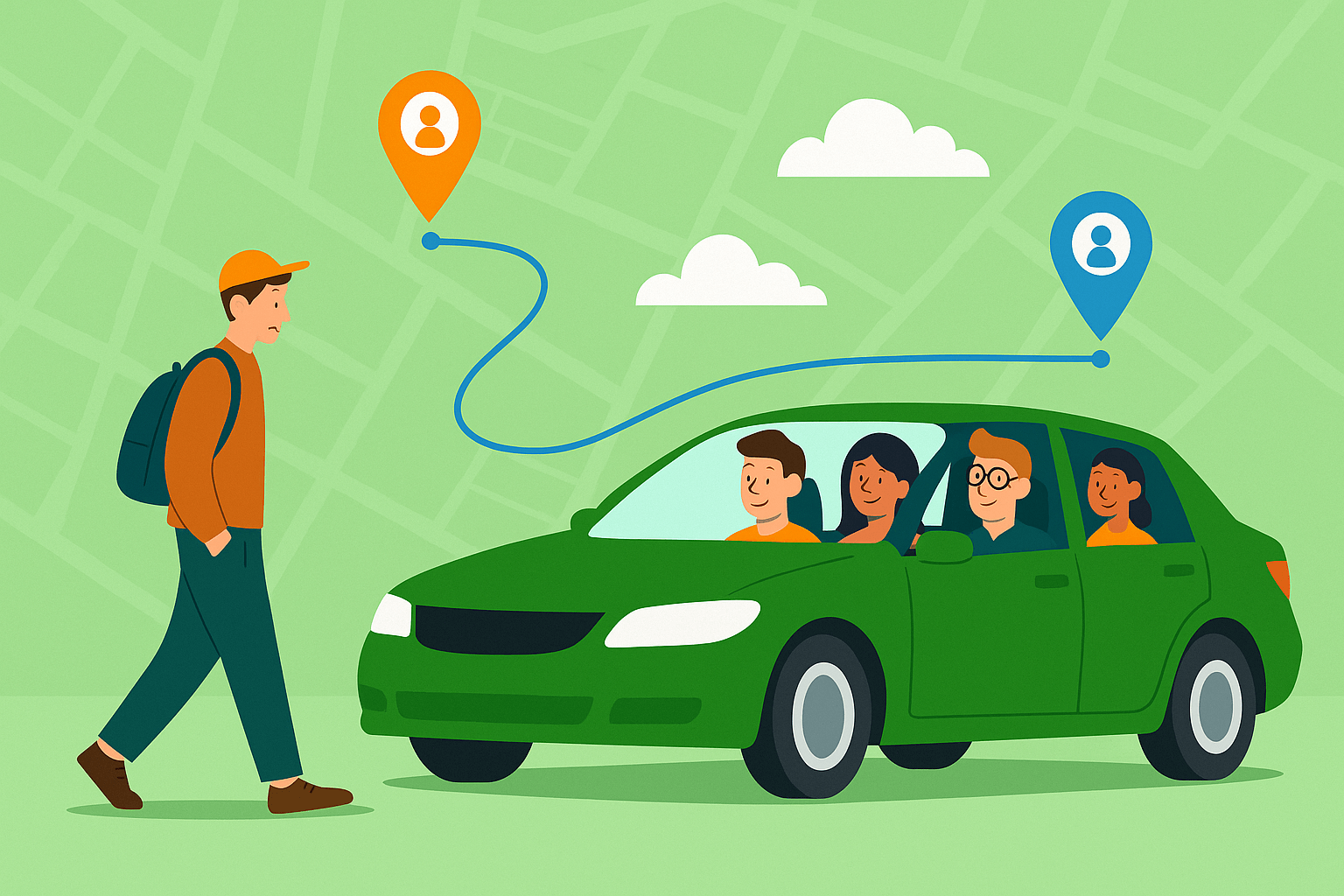
    Digital carpooling platforms rely on real-time data, location intelligence, and identity verification to make shared commuting predictable and secure. Route-matching algorithms take into account origin and destination, time windows, and traffic data to efficiently connect compatible riders. This ends the uncertainty that had discouraged many from using it.

    Data-backed awareness campaigns can show direct advantages: reduced travel expenses, predictability in schedules, and safety. When commuters realize that carpooling is no longer random and informal, the uptake will skyrocket. 

    Awareness of Environmental and Economic Aspects

    Transport contributes widely to urban carbon emissions. Increasing average vehicle occupancy a cohort could measurably reduce emissions per commuter. Awareness therefore of carpooling becomes a direct player in climate incumbents at city-level strategies.

    In shared mobility, lower per-person commuting costs and minimized public expenditure on road expansion plus parking infrastructure constitute economic perspectives. Data-oriented awareness messaging helps put commuters and policymakers in a position to view carpooling not as a lesser choice but a gaining choice of an already-there resource.

    Community-Building Awareness

    Another critical dimension of carpooling awareness is its social impact. The technology-driven platforms, therefore, create communities that are verifiable and trust-based with commuters traveling with repeatedly known profiles, building social capital in return for travel efficiency.

    Awareness initiatives that focus on community trust, safety systems, and user accountability will work in moving carpooling from being a so-called “budget option” to a truly “smart lifestyle choice.”

    Conclusion

    Awareness concerning carpooling is prominent when it comes to determining the future evolution of urban mobility. With the support of data, technology, and transparent platforms, carpooling can transition from being a less favored practice to becoming a widespread choice in commuting. Today, awareness is no longer about persuasion; it is about the clear evidence that shared mobility works better for people, cities, and the environment.

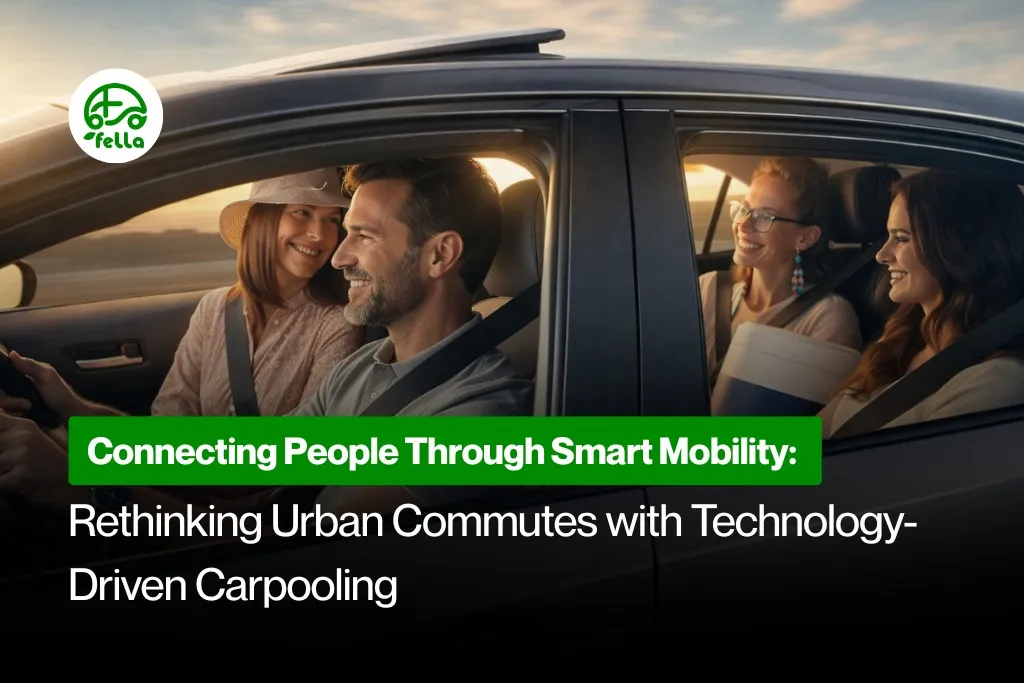
  • Connecting People Through Smart Mobility: Rethinking Urban Commutes with Technology-Driven Carpooling

    Connecting People Through Smart Mobility: Rethinking Urban Commutes with Technology-Driven Carpooling

    Urban transport is at a crossroads. Rapid urbanization, the rising cost of fuel, and traffic congestion along with environmental concerns are reshaping the way cities and commuters think about their everyday movements. Global mobility data indicate that a single-occupant vehicle almost takes up the same road space as a shared one, yet it fetches pretty much fewer people. Hence, it is all the more inefficient for solo commuting. This makes technology-enabled carpooling emerge as just such a solution.

    Core Carpooling: It’s not about just sharing a ride; it’s also sharing one’s responsibility, costs, and impacts. Digital infrastructure, verification systems, and clever matching algorithms now demonstrates how an idea can be transformed from simple thought into a reliable mobility ecosystem as modern platforms like Fella Ride testify.

    Carpooling as a People-Connecting System

    There is yet another underappreciated aspect of what carpooling could actually do: it connects people who would otherwise travel to work, study, or socialize in isolation. Daily commuting is maybe the most repeated activity in modern society, often lacking in social value. Carpooling, however, gives a social dimension to the experience, connecting people with similar routes, times, or destinations under the shared roof of the car.

    From a data perspective, shared mobility platforms increase “ride density”: how many people get moved per vehicle over the distance of one kilometer. Such increased ride density brings down costs of travel per individual while fortifying the networks among communities. Recurring carpools with time have usually matured into participants in these groups regarded as trusted micro-communities within public life, thereby improving social trust and the commuter experience.

    The Technology Behind Modern Carpooling 

    Today’s carpooling is an example of technology that cannot be considered informal ride-sharing-like of yore. Today’s advanced platforms use:

    The route-matching algorithms would match those users who would travel on similar paths with each other.

    • GPS-based ride tracking gives an overview of that ride in real-time.
    • Also outfitted with identity and background verification systems for providing safety.
    • Ratings and review mechanisms to maintain service quality.

    These mechanisms lower uncertainty, which is perhaps the greatest barrier to adopting shared travel. Data shows that users are typically much more willing to share rides when the platform provides transparency, verified profiles, and predictable pricing models. Models with zero commissions do even better in attracting users since they warrant fair and non-exploitative cost-sharing.

    Raising Awareness: Why Carpooling is Relevant Today

    Transportation, in particular, is a sizable percentage of urban carbon emissions. Studies have shown in most cases that even a little move from solo driving to shared commuting can achieve as much as a 30-50% decrease of emissions on a per-commuter basis, depending on vehicle type and occupancy. This is the reduced emission. Beyond emissions, carpooling also translates into reductions in fuel consumption, parking demand, and traffic congestion-basic issues faced by urban planners.

    It should also be understood that a large segment of commuters still thinks about carpooling as a type of service that involves inconvenience or insecurity. Data from trends toward shared mobility adoption, however, tell another story: with reliable apps to help its users, cost-efficiency and predictability often make carpooling more financially sound and dependable than using taxis or private vehicles in regular commuting.

    Advantages of Technology-Driven Carpooling

    1. It Is Cost-Effective

    Car-pooling saves money by sharing the fuel and maintenance costs for the trip. This feature is not available with traditional ride-hailing services. The best part is that in commission-free systems, users spend on the shared cost-the real-time costs.

    1. Environmental Benefits

    With fewer vehicles on the road, lower emissions and less fuel use go along with it. Widespread adoption of carpooling may not only get an incremental improvement in air quality but also relatively better traffic flow.

    1. Proper Use of Infrastructure

    Carpooling increases the effective use of the existing automobile stock, instead of adding more cars to the road. Thus, heavy pressure on roads, parking, and urban space is reduced.

    1. Safety through Transparency

    Identity verification, trip tracking, and mutual ratings make accountability possible. Data suggest that transparent systems bring down both ride cancellation and safety incidents.

    1. Flexibility and Scalability

    These modern platforms accommodate onetime and recurring rides according to real-world schedules. With that kind of flexibility, it is safe to say that carpooling can work well for students, professionals, and even the occasional traveler.

    Limitations and Difficulties

    No doubt, carpooling has a lot of disadvantages along with advantages.

    1. Schedule dependency

    To match time and route with another person, carpooling is very much dependent on neither action to take place. While algorithms definitely help make it less than alone by reducing mismatch, however, flexibility cannot run to such lengths as would either be practically impossible or awkward in the case of solo driving.

    1. Threshold Adoption

    For carpooling, critical mass is a must. Low density areas are limited in efficiency in matching with others.

    1. Behavioral Resistance

    Some commuters are resistant to share personal space or change routines to facilitate carpooling, even when it clearly makes sense according to the information.

    1. Dependence on Technology

    There are prerequisites for reliable internet access and some form of smartphone use, which limit accessibility to many of their populations.

    Nevertheless, these challenges are increasingly alleviated with better UX design, better algorithms, and the growing public awareness for sustainability.

    The Future of Connected Commuting

    Carpooling represents access-based mobility rather than ownership. Movement towards smart transport systems in cities can be further enhanced by the shared mobility data, acquired through the planners in reducing congestion, improving routing, and designing more ecological urban spaces.

    Analogous to this is Fella Ride: people-first technology building trust, community and environmental responsibility into everyday travel.

    Conclusion

    Carpooling is no longer a choice; it is now a must in modern urban ecosystems. Carpooling platforms connect many people and use technology to address economic and environmental challenges to redefine the movement of cities. This model succeeds not just through cost savings nor reduction of emissions but also on creating a smarter, more connected, and more humanistic commute.

  • Why Ride Alone? Discover the Smarter Way to Commute with Fella Ride

    Why Ride Alone? Discover the Smarter Way to Commute with Fella Ride

    In today’s fast-paced world, commuting isn’t just about getting from point A to point B — it’s about saving time, money, and reducing stress. If you’re still driving solo or juggling expensive cab fares and crowded public transport, it’s time to rethink your ride. Fella Ride offers a smarter, more sustainable, and affordable way to commute — through community-powered carpooling.

    Whether you’re a student, a professional, or someone who just wants a better way to get around, here’s why Fella Ride is the better choice.

    🚗 What is Fella Ride?

    Fella Ride is a carpooling app that connects verified drivers and passengers heading in the same direction. Instead of driving alone or booking costly taxis, you can share ridessplit costs, and enjoy a more social, safer, and eco-friendly way to travel. The platform is proudly Canadian and built to serve communities with zero commission and maximum value.

    💰 Save Money, Every Day

    Fuel costs and ride-hailing fares are rising fast. Fella Ride helps you cut commuting costs by letting you share rides with others traveling the same route.

    • Passengers save big compared to taxis or public transport.
    • Drivers offset fuel expenses — or offer free rides to help others.

    It’s a win-win for both sides.

    🔒 Ride with Verified Drivers Only

    We know that safety and trust are everything when it comes to sharing rides. That’s why every driver on Fella Ride is verified with ID and background checks. Plus, you get access to driver ratings and GPS tracking in real time — so you always feel secure on the move.

    🌍 Eco-Friendly and Community-Focused

    Every ride you share with Fella Ride means one less car on the road — and that means lower emissionsless congestion, and a greener city. We’re not just another transport app — we’re a community of people helping each other move smarter while helping the planet.

    📱 Easy to Use, Free to Join

    Getting started with Fella Ride is quick and hassle-free:

    1. Download the app from Google Play or the App Store.
    2. Find a ride based on your pickup, destination, and time.
    3. Book securely and meet your verified driver at the pickup point.

    Best part? Fella Ride doesn’t charge platform fees. What you pay goes directly to the driver — or you may even find someone offering a ride for free!

    ✅ Final Thoughts: Make the Smart Move Today

    So why ride alone when you can save money, meet great people, and support a greener future — all with one app? Fella Ride is the smarter, safer, and more meaningful way to commute. Whether you’re looking for your daily ride to work or a way to help others as a driver, there’s a seat waiting for you.

    Download Fella Ride today and be part of the carpooling revolution.